Any combustion gasses that get past the piston rings, ends up in the crankcase. This would build up pressure and cause gaskets and seals to fail, so they vent the crankcase gasses. Because the crankcase is full of oil and rotating assemblies, some oil gets aerosolized and exits the crankcase with the excess gasses. this is increased with forced induction.
To deal with this most OEM engineers just connect the crankcase vent to the intake, so that any gasses get passed back through and the aerosolized oils get burned up.
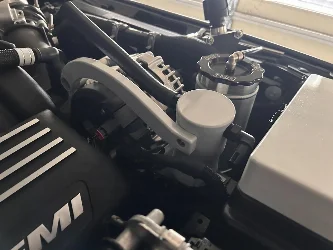
But.... it can cause unsightly oil to collect in the intake tract. A catch can just collects the oil (and some water) droplets, keeping some, not all, from entering the intake.
Edit:
The upside is that you stop some of that oil from getting back into the engine causing a mess, and potentially collect along the intake valves... maybe .
The down side is that the oil would provide some upper cylinder lubrication, and you have to buy the catch can, and you have to empty it routinely, and it adds hoses and the can to your already tight engine space .